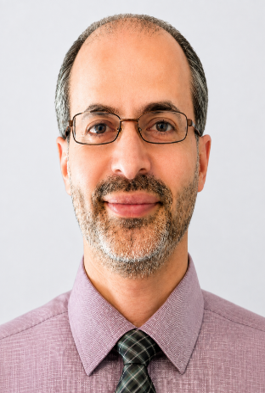
 Hammam Ahmed, MSN, VA-BC™, CRNI®, CCRN, CRN-Rad will present at AVA’s 2026 Scientific Meeting in Grapevine, Texas on Saturday, October 3, 8:45–9:45 AM, with co-presenters Roxanne Canicula, MSN, RN, OCN and Jennifer L. Acelajado, RN, MSN, VA-BC™, AGACNP-BC, CRNI®, CCRN.
Their presentation is titled “Standardizing Central Venous Access Terminology and Device Selection: A Unified Clinical Framework.” Inconsistent central venous access terminology contributes to mismatched comparisons, unclear documentation, and variable device-selection decisions. Part one introduces a three-step classification framework: insertion classification, central catheter designation, and defining attributes. Part two applies the same structured approach to device selection, outlining the eight elements an institutional committee must define and a four-step algorithm incorporating therapeutic indication, anticipated dwell time, contraindication screening, and lumen and power-injection requirements. The framework is demonstrated through a decision-support tool and clinical case scenarios showing how institutional policies and practice settings influence the recommended device. The goal is not to create something new, but to bring order and consistency to existing concepts and clinical practices.
When asked why he is excited to present at AVA, here is what Hammam had to say:
“AVA brings together the professionals who place and manage vascular access devices and shape the future of our specialty. I’m excited to share our work and help move the standard forward—because the language we use shapes the decisions we make, and the decisions we make shape patient care.”
Hammam Ahmed, MSN, RN, VA-BC™, CRNI®, CCRN, CRN, is a Clinical Outcomes Specialist in Vascular Access & Procedures at The University of Texas MD Anderson Cancer Center and is currently pursuing a PhD in Nursing. With more than 25 years of clinical experience in emergency care, interventional radiology, and vascular access, his expertise encompasses PICC placement, central venous catheter management, and catheter-to-vein ratio research. His professional and scholarly work focuses on standardizing vascular access terminology, optimizing device selection, enhancing patient safety, and developing evidence-based clinical frameworks to advance vascular access practice and improve patient outcomes.
VACC will be exhibiting at AVASM26. Stop by Booth 324 to learn about getting Board Certified in Vascular Access. If you already have your credential, give a testimonial to receive a limited edition VA-BC™ water bottle!