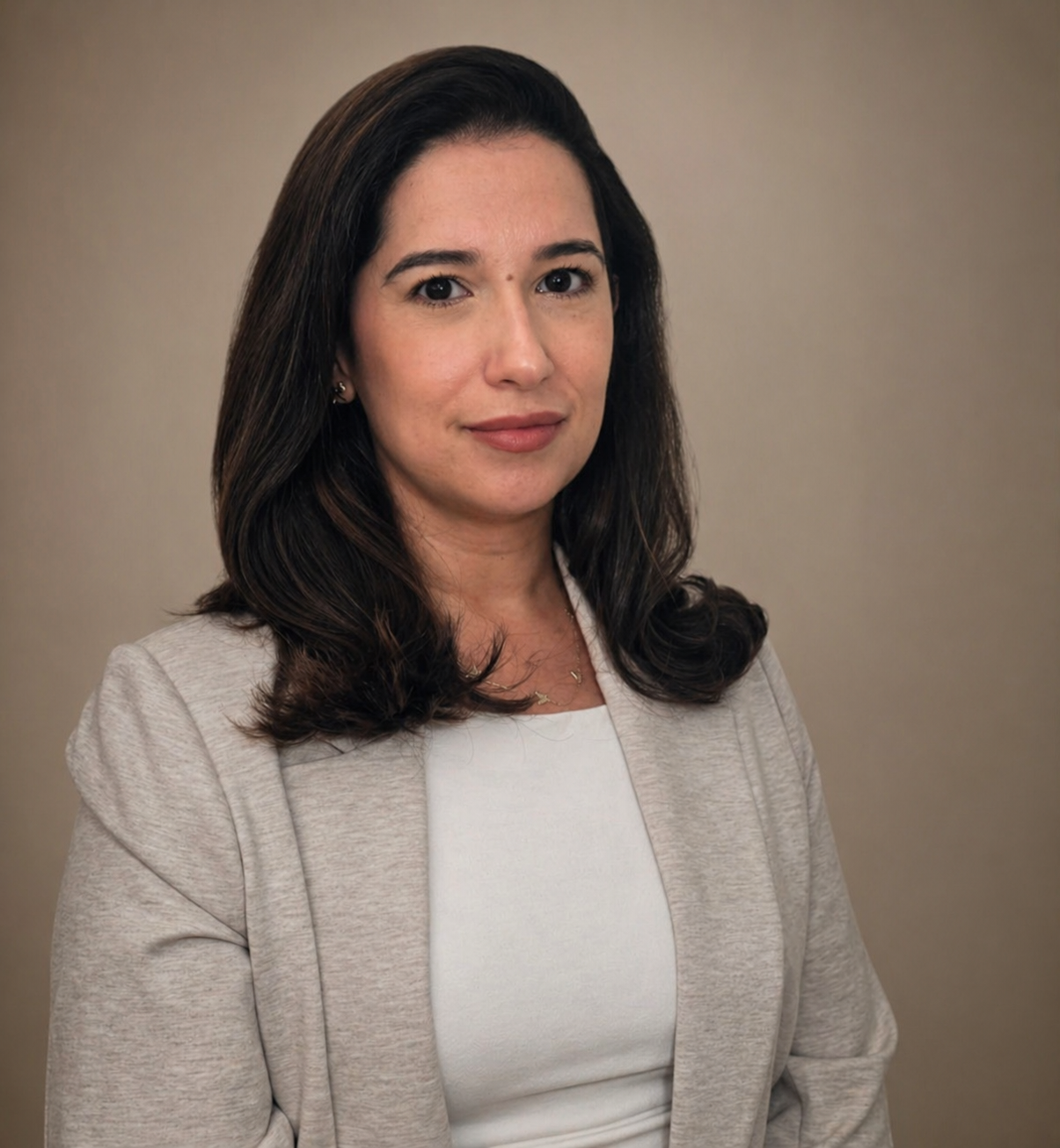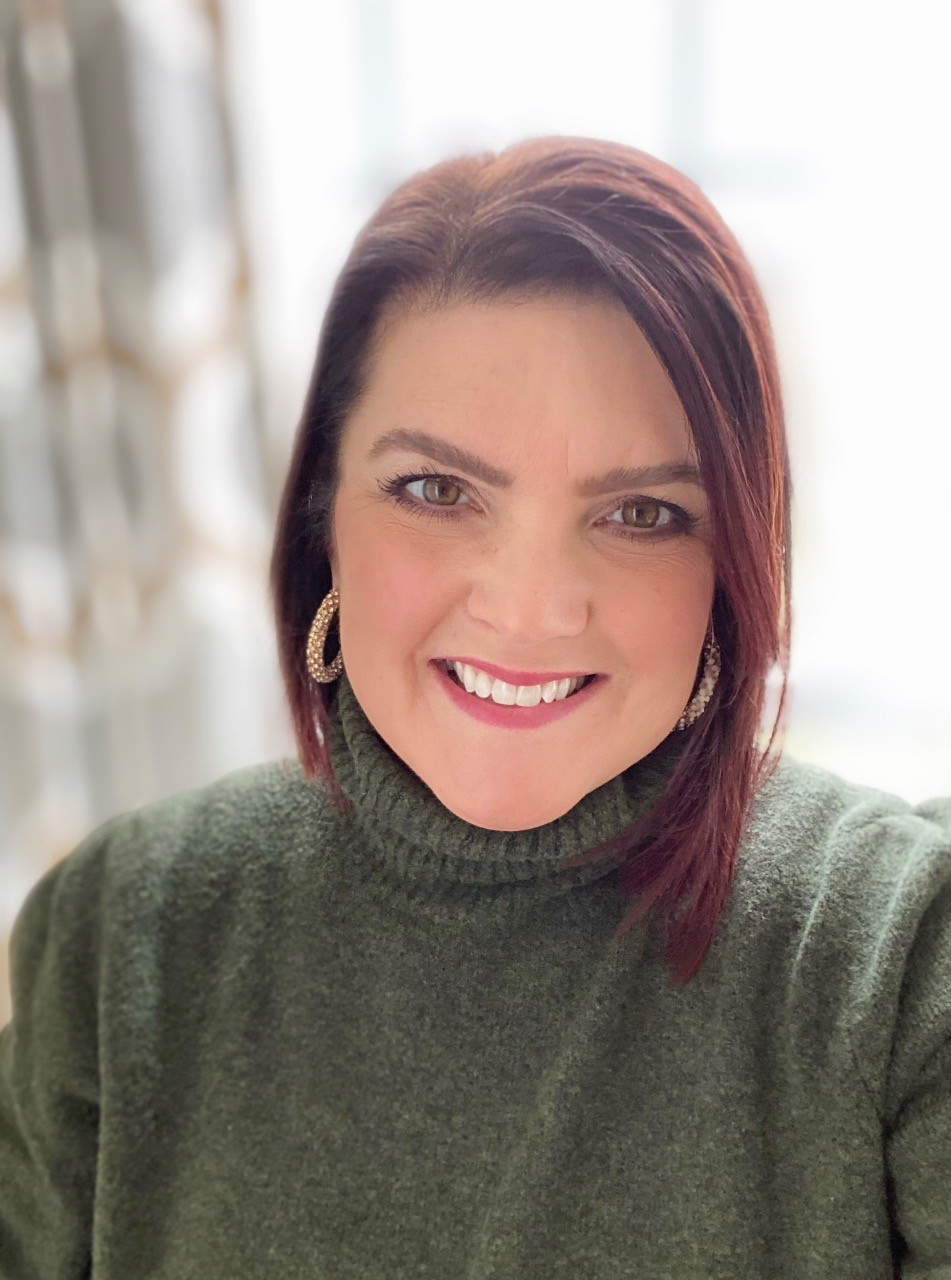
In 1997, Mary Smith, RN, VA-BC™ was one of the first nurses in Wisconsin to learn and insert PICC lines. Nearly 30 years later, this President of CVC Health Care traveled to Brazil to teach the skill to local health care professionals.
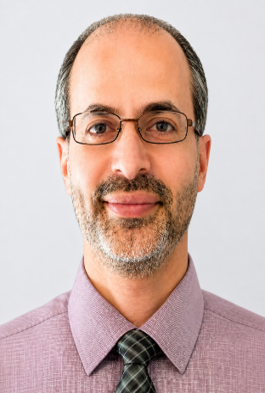
She worked with Gilberto Reis with on her trip. He leads a team of professionals that provide PICC insertion services in a network of hospitals in Brazil.
“We had a week with Mary’s presence; between product training and exchange of experiences, it was very positive for our work to receive feedback from a professional with vast technical and scientific knowledge after observing us through entire days of active search, insertions, and X-ray evaluations,” Reis said. “We are very grateful for her visit and assistance in our work. I hope to meet her more often. We are happy to follow the same protocols she follows on another continent!”
Read below to see what Mary had to say were the biggest lessons she learned in Brazil…
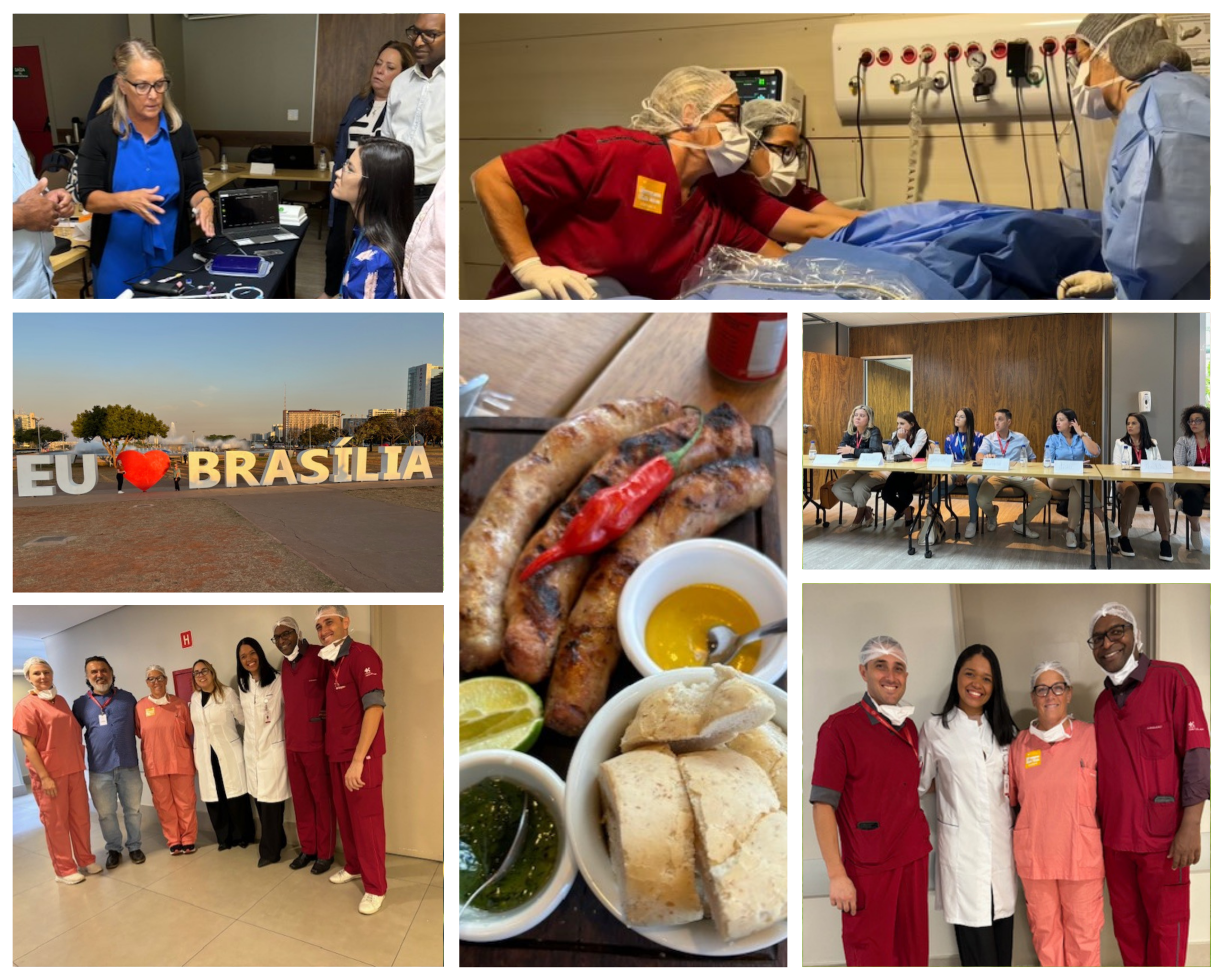
- The Brazilian team of nurses were AMAZING. They had a nurse do the assessment (choosing the right device, if any) then an insertion team of 1-2 would come in and insert the appropriate device from the assessment teams recommendation. Different than in the USA but very successful. The team I followed and worked with had a high first-time success rate.
- Best thing about Brazil is the food!! Brazilian food is amazing and the kindness the nurses, industry partners and directors showed me was truly amazing. They take great pride in their work and country and they were open to learning evidenced based practice and sharing stories with me.
- The nurses were not VA-BC™ and I discussed the importance of this level of knowledge and the meaning of the credentials.
- I have travelled and have taught, insertion, care and maintenance of all devices: Paris, China, Brazil and would highly recommend this to anyone who is thinking about international teaching. It can be scary at first but highly rewarding and motivating. I learn a lot from others.
- Being VA-BC™ gives me the credentials to back my professional skills in the vascular access arena. The nurses were protective of me and my skill set. It meant a lot to them that I was VA-BC™.
- Teaching nurses and doctors internationally has challenges, language barriers, culture differences, family and patient interpreters, but it is highly rewarding. The hospitals I have visited showed great respect for my knowledge and years of experience. Lots of “can I pick your brain”.
- I typically spend a lot of time learning other countries cultures do’s and don’ts and prepare diligently. Nurses love to teach foreign nurses and work with them.
- My favorite part of my job is when nurses can apply evidenced based practice into their daily routine and are able to say why we need to do it this way, implement change.
- Continuous education is essential to advancing practice and improving outcomes. We discussed this in length in Brazil.
- I truly enjoy teaching and especially presenting data and outcomes from successful teams and programs in the USA to other countries. They love to hear our processes and they see us as leaders in the field.
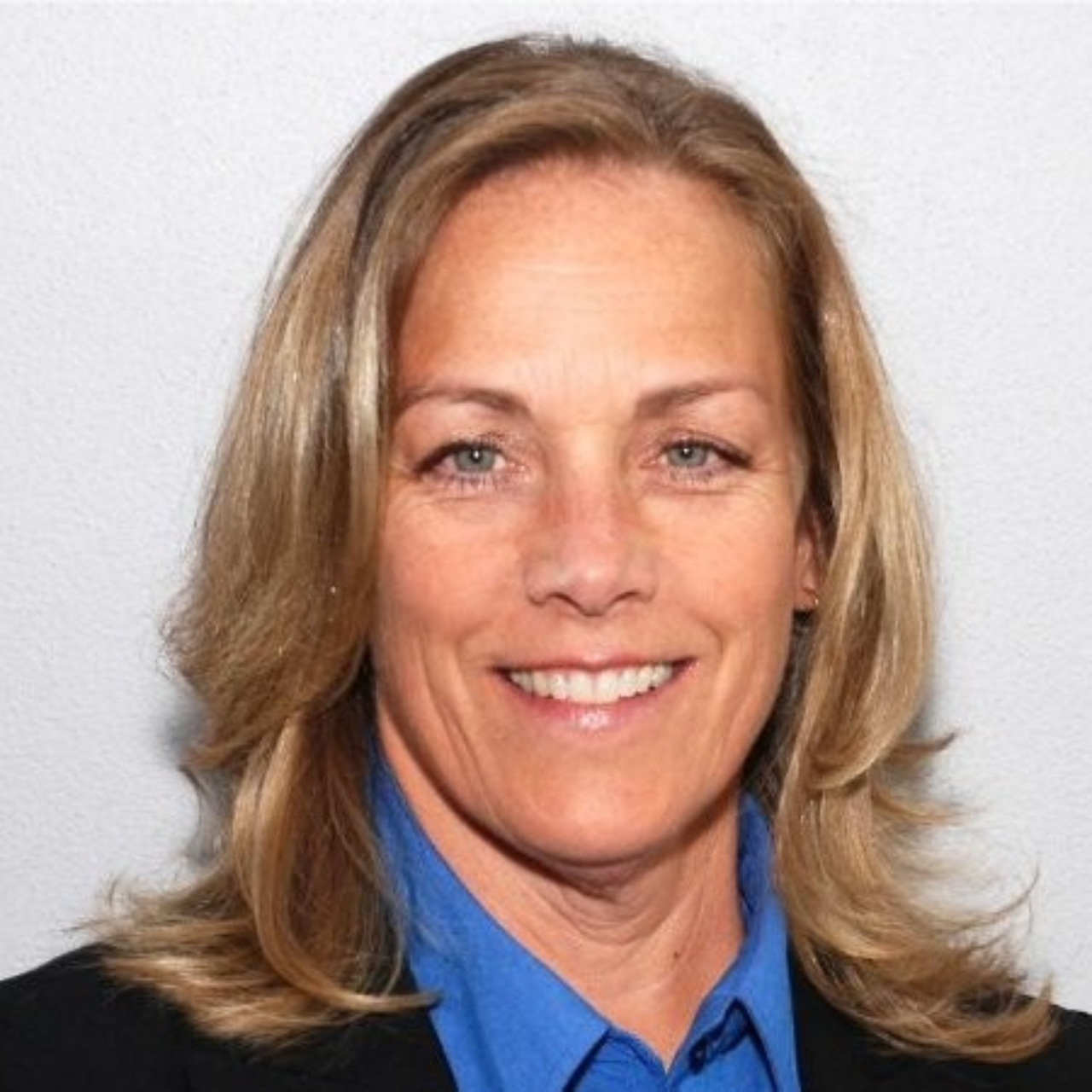 About the Author: Mary has been inserting and teaching vascular access courses all across the US for over 25 years. She has been in the nursing profession for over 38 years. CVC Health Care, LLC was founded in 2012 to educate all health care professionals on device selection, proper insertion and to care for the line until removal. Her primary objective is to give all who insert and care for the patient with a device, current best practice and evidenced based recommendations. Mary has achieved with a vascular access team, a 0% infection rate for over 13 years at her local hospital.